 Business License
What is the difference between eco solvent and solvent?
Solvent inks produce high VOCs and require 24–48 hours outgassing time plus dedicated ventilation. Eco-solvent inks use a lower-toxicity solvent formulation with reduced VOC output. Both are primarily suited to flexible outdoor media: vinyl and PVC.
Inkjet printing technology is now widely used in various fields, including advertising printing, industrial manufacturing, decorative building materials, and graphic output. As a core consumable, the performance of ink directly determines print quality, product durability, and applicable scenarios. Based on differences in core properties and composition, the industry generally classifies inkjet inks into four major categories: UV inks, solvent-based inks, mild-solvent inks, and water-based inks. Each of these four types of ink has distinct performance characteristics, strengths, and weaknesses, and they are suited for significantly different printing scenarios and substrates. Below is a comprehensive analysis of the features, pros and cons, and practical applications of each type of ink.
I. UV Ink
UV ink is an eco-friendly inkjet ink that cures instantly under ultraviolet (UV) light. It is currently the mainstream consumable in the high-end inkjet printing sector, and its application scenarios continue to expand thanks to its excellent compatibility and stability.
Core Features, Advantages, and Disadvantages
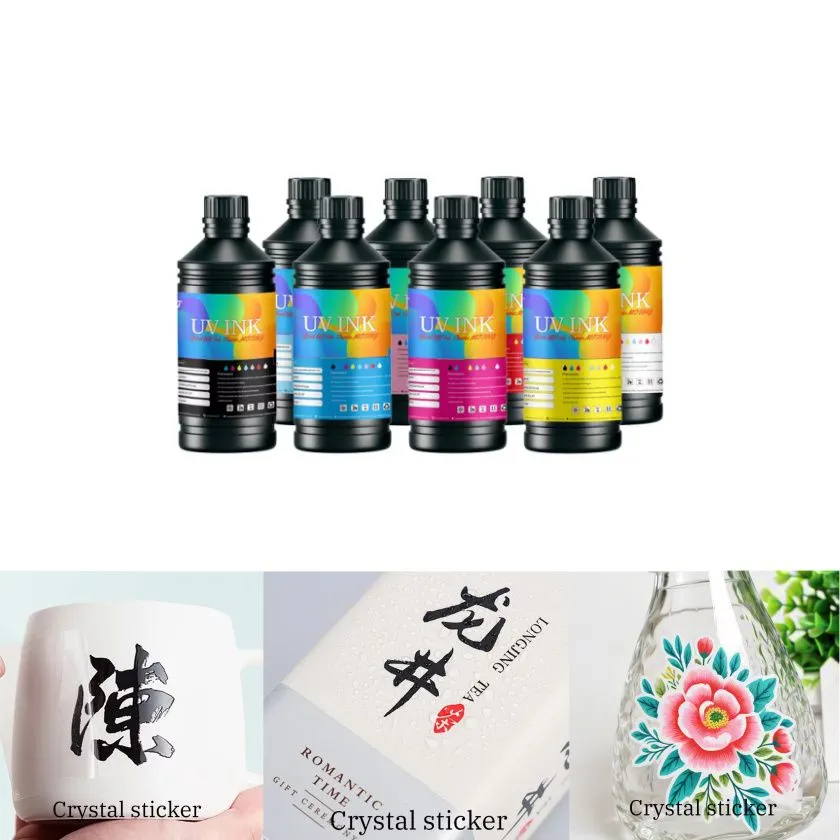
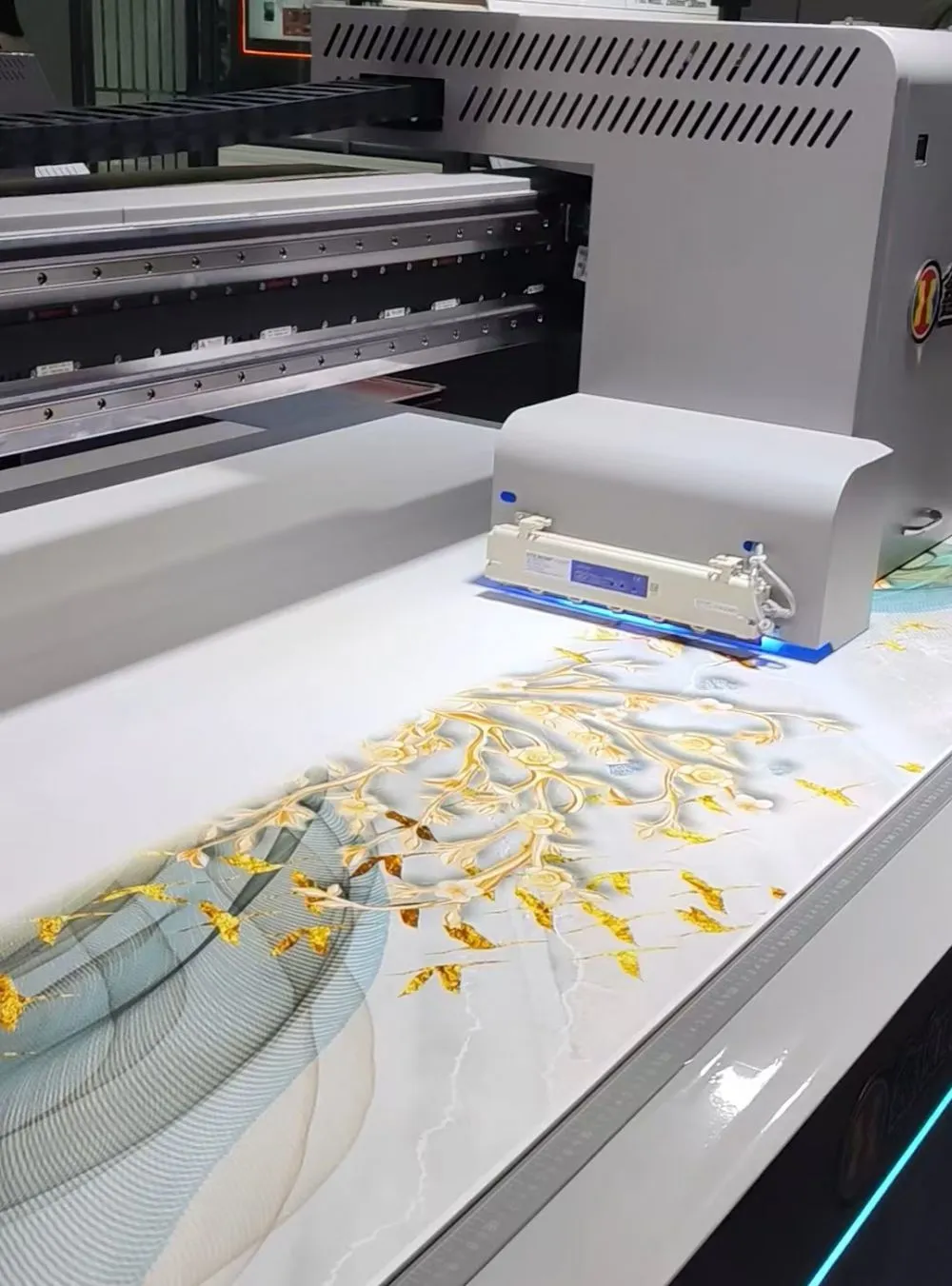
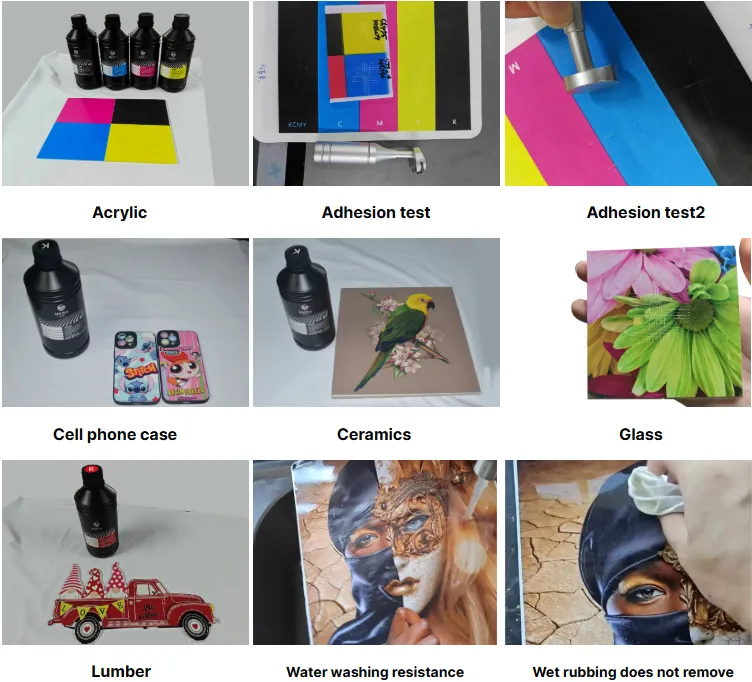
In terms of advantages, UV ink offers three key benefits. First, it features fast curing and efficient processing; it dries and cures instantly under UV light, eliminating the need for natural air drying, which significantly shortens post-printing processing steps and greatly improves production efficiency. Second, it offers exceptional substrate compatibility, working on virtually all flat, rigid substrates without material restrictions; Third, they are eco-friendly, energy-efficient, and provide stable printing. They contain no volatile organic solvents, emit no irritating odors, and feature ultra-low viscosity. With pigment particle diameters smaller than 1 micrometer, they are less prone to clogging printheads during printing, and offer strong ink adhesion and high image clarity. Additionally, UV inks can be mixed with white ink to produce three-dimensional embossed and textured effects, creating personalized, three-dimensional print textures.
The main drawback is the relatively high production cost. The raw materials for UV ink are more expensive than those for solvent-based or water-based inks, and the initial investment in UV printing equipment is higher, which to some extent limits small-scale, low-cost batch production.
Main Applications
UV inks require no pre-coating or pretreatment of the substrate and can be printed directly, making them convenient and practical to use. They are widely applied in various high-end customization and industrial printing fields. Applications include building materials and decoration: glass, ceramics, marble, bamboo and wood panels, and tile printing; hardware and plastics: metal signs, hardware fittings, and PC, PVC, and ABS plastic products; cultural and creative gifts: phone cases, acrylic ornaments, handicrafts, and packaging boxes; advertising and signage: high-end light boxes, 3D signs, embossed posters, and custom display panels. They are the mainstream consumables in the large-format, high-end color printing market.
II. Solvent-Based Inks (Strong Solvent Inks)
Solvent-based inks, also known as strong solvent inks, are oil-based inks that use organic solvents as the solvent. They are traditional and commonly used consumables in outdoor advertising printing, featuring high durability and low cost, making them well-suited for complex outdoor environments.
Key Features, Advantages, and Disadvantages
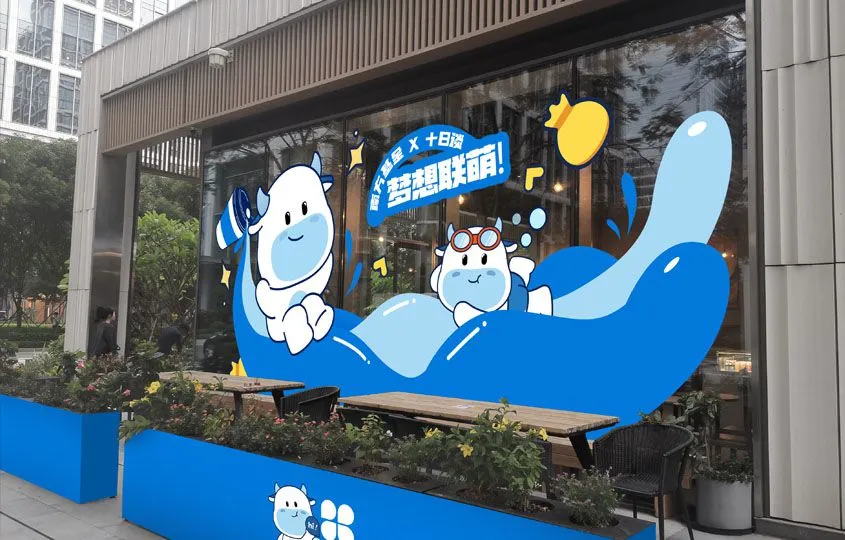
The advantages are particularly notable. First, they offer excellent outdoor weather resistance; printed products are waterproof, UV-resistant, age-resistant, and wear-resistant. They are unlikely to fade or crack during long-term outdoor use and do not require lamination for protection, which simplifies the production process and improves production efficiency. Second, they offer high cost-effectiveness; ink prices are lower than those of water-based and UV inks, and the wide variety of compatible substrates is affordable, resulting in low overall printing costs; Third, it offers good substrate compatibility, working well with various common advertising printing substrates and providing stable adhesion.
The disadvantages are quite evident, with poor environmental performance being the core shortcoming. During the ink drying process, organic solvents continuously evaporate, releasing harmful gases that pollute indoor and outdoor air, posing certain safety hazards. As a result, this ink is unsuitable for enclosed indoor spaces or environments with high environmental standards, such as food and medical settings. Additionally, most substrates require a coating treatment before printing and cannot be printed on directly. Furthermore, the ink cannot be mixed with white ink, making it impossible to create three-dimensional embossed effects.
Main Application Scenarios
Primarily designed for long-term outdoor printing, these inks are mainly used in outdoor advertising and media—such as outdoor banners, vehicle wraps, lightbox fabrics, outdoor construction fence advertisements, and highway signs—as well as outdoor signage products, including outdoor warning signs, wall advertisements, and reflective film printing. They are suitable for scenarios with low environmental requirements but high weather resistance demands, and are not suitable for indoor decoration or high-end custom products.
III. Mild-Solvent Inks
Mild-solvent inks are eco-friendly oil-based inks upgraded and improved from traditional strong-solvent inks. They balance the weather resistance of solvent inks with the environmental friendliness required for indoor use and are currently the mainstream, general-purpose consumables in the advertising printing industry.
Key Features, Advantages, and Disadvantages
The advantages are significant. First, they offer enhanced environmental friendliness: the organic solvent content is significantly reduced, resulting in minimal emission of harmful substances and a mild odor. This meets environmental requirements for indoor use and avoids the pollution issues associated with strong-solvent inks. Second, they strike a balance between adaptability and durability, retaining the water resistance, UV resistance, and abrasion resistance of solvent inks. They can be used both indoors and outdoors, and printed products do not require lamination; Third, they offer moderate costs—priced lower than UV inks—with strong print stability, minimal printhead wear, and compatibility with the vast majority of standard inkjet printing equipment.
There are certain limitations: compared to UV inks, mild-solvent inks have a slower curing speed
IV. Water-Based Ink
Water-based ink is an eco-friendly ink that uses purified water as its primary solvent. It contains no oil-based components and is the most environmentally friendly and safe inkjet consumable, designed for high-definition image quality and high-precision indoor printing.
Key Features, Advantages, and Disadvantages
Its advantages lie primarily in print quality and environmental friendliness. The ink is safe, non-toxic, pollution-free, and odorless; The ink color is uniform and stable, with high color brightness and strong tinting power, resulting in delicate and clear printed images; the ink adheres firmly to the substrate after printing, and the drying speed can be adjusted according to the process. The finished product has good water resistance and is suitable for high-precision graphic printing.
Technical limitations are quite pronounced: overall corrosion resistance is poor; the ink is not resistant to alkalis or ethanol and is easily discolored by acids, alkalis, and alcohol; drying speed is relatively slow, resulting in lower efficiency for batch printing; It has poor weather resistance, offers no UV protection, and is not resistant to aging; it is highly prone to fading and damage when used outdoors and is suitable only for dry indoor environments.
Main Application Scenarios
Suitable only for indoor printing scenarios requiring high precision and strict environmental standards. Core applications include office document output: paper printing, brochures, flyers, bid documents, and office files; photographic printing: photo development, art prints, wedding portraits, and high-definition interior decorative art; soft furnishings printing: printing on flexible materials such as fabrics, wallpaper, and rice paper. Use in outdoor settings, as well as in environments with acids, alkalis, or high humidity, is strictly prohibited.
Summary
Overall, each of the four ink types has its own specific application: water-based inks are primarily used for high-definition, eco-friendly, and low-cost graphic printing indoors; mild-solvent inks are suitable for general-purpose advertising printing—both indoor and outdoor—where cost-effectiveness is a priority; strong-solvent inks focus on low-cost, long-lasting outdoor advertising; UV inks, with their advantages of direct printing without coating, three-dimensional effects, compatibility with all substrates, and environmental friendliness and efficiency, have become the mainstream direction for industrial customization, high-end decoration, and large-format color printing, offering the broadest prospects for future market applications.

Contact Us
Recommended Products
-
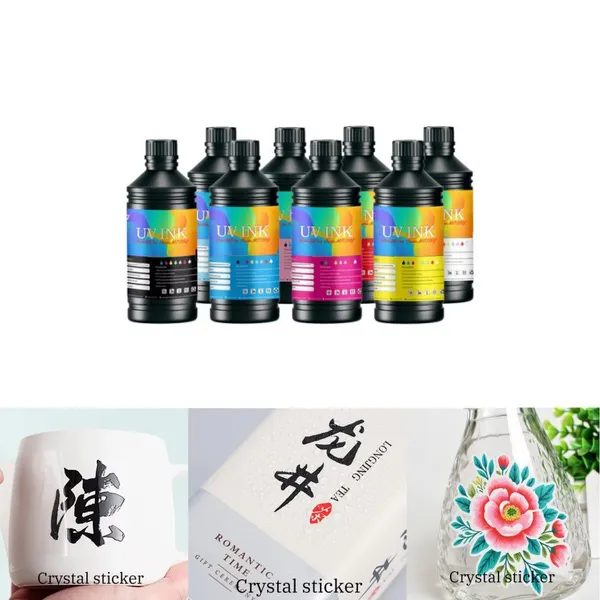
 Moting LED UV DTF Ink Printing UV Transfer Film Ink for DTF UV Sticker I3200 Printhead AB Transfer Film Crystal StickerUS$ 16.5 - 29MOQ: 6 Kilograms
 -
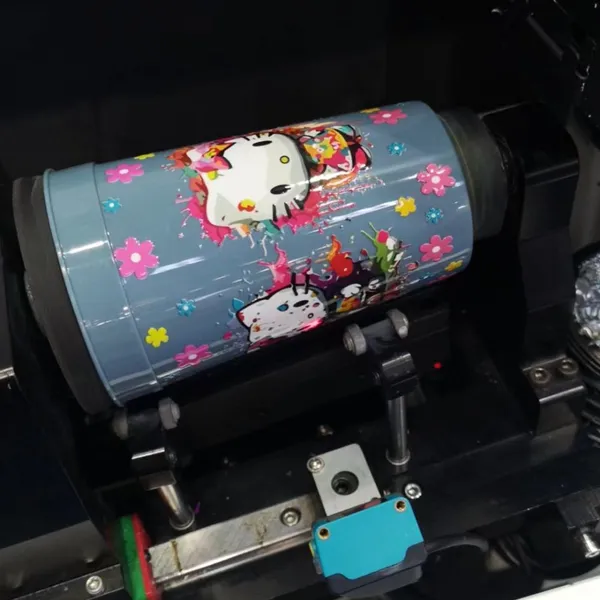
Moting LED UV Ink Printing Glass Cylindrical for Epson uv Printer 360 Cylinder RotaryUS$ 16 - 22MOQ: 1000 Kilograms
-
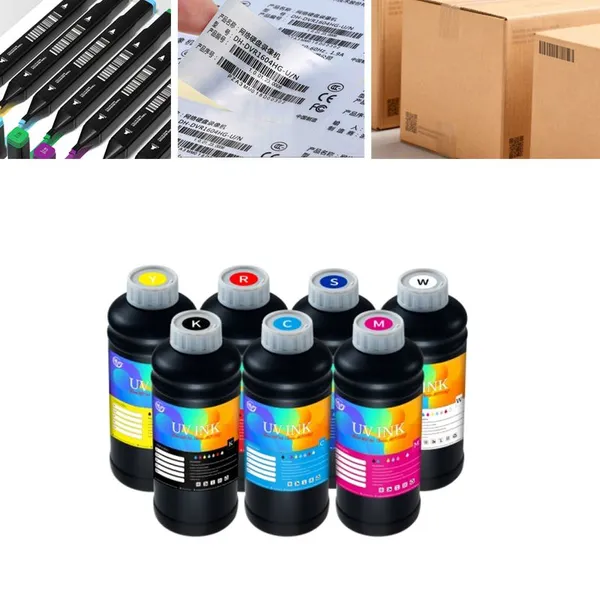
1000ml One Pass LED UV Ink Printing Lable Sqr for Epson UV Printer Ink UV Curing Ink for Ricoh Gen5US$ 13 - 22MOQ: 6000 Kilograms